
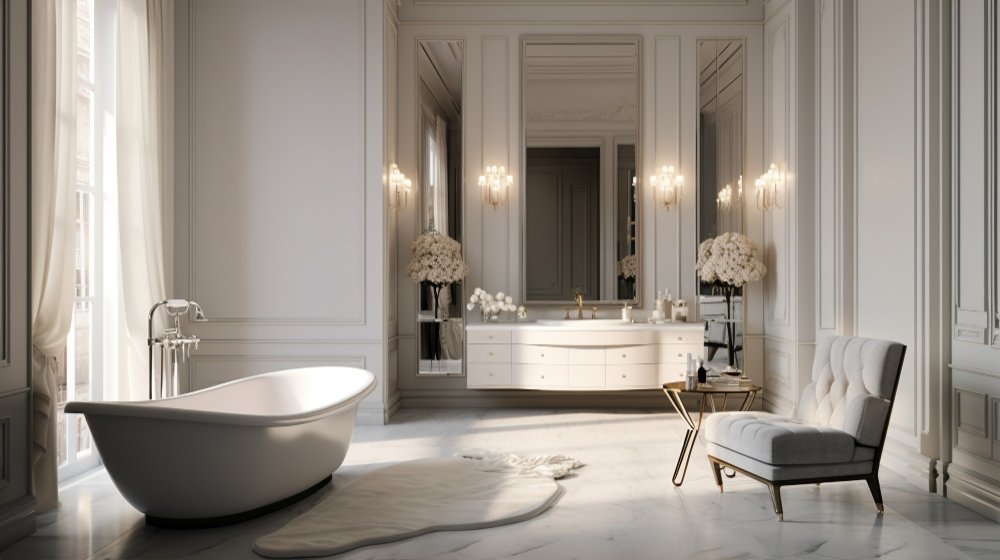
The modern washroom has evolved far beyond basic function—it has become a personal retreat. For today’s homeowners, thoughtful bath design is about more than style; it’s about creating a restorative space that nurtures both body and mind. Whether you’re remodeling a small guest bath or designing a luxurious primary suite, the art of bath design lies in balancing elegance, efficiency, and tranquility. A well-designed washroom blends comfort, technology, and timeless aesthetics into one seamless experience.
Designing with Intention
Every successful bathroom begins with purpose. Before selecting finishes or fixtures, consider how the space will be used. A family bathroom, for instance, requires durability and storage, while a master bath might prioritize relaxation and privacy. Design intention guides every decision—from layout and lighting to material selection—ensuring that form and function align perfectly.
Flow and Spatial Planning
Efficient layout is essential. Strategic placement of sinks, showers, and storage creates balance and usability. Designers often use “zoning” to separate wet and dry areas, improving safety and maintenance. Ample walking space, thoughtful sightlines, and unobstructed light pathways make even small bathrooms feel more open and inviting.
Elements of a Restorative Washroom
The best bath designs focus on sensory experience. Every texture, tone, and material contributes to the atmosphere. Natural light, tactile surfaces, and calm colors work together to promote relaxation. Incorporating spa-like features—rain showers, freestanding tubs, or ambient lighting—elevates the room into a sanctuary for daily rejuvenation.
Material Harmony
Choosing the right materials defines the personality of your washroom. Porcelain and quartz are durable and elegant, while natural stone offers timeless appeal. Warm wood accents balance cool surfaces, adding texture and depth. Designers often recommend mixing matte and polished finishes to create visual interest without overwhelming the space.
The Role of Lighting and Color
Lighting shapes mood and functionality. Layered illumination—task lighting around mirrors, ambient ceiling lights, and subtle accent lighting—ensures adaptability. Dimmable fixtures let you shift from energizing morning brightness to soothing evening ambiance. Color choices enhance this effect: serene neutrals and soft hues evoke calm, while bold contrasts can express personality and modern flair.
Natural Light and Reflection
Whenever possible, integrate windows or skylights to bring daylight into the space. Reflective materials like glass and polished chrome amplify brightness and make rooms appear larger. In privacy-conscious layouts, frosted or textured glass provides soft light without compromising seclusion.
Integrating Storage with Style
In the modern washroom, storage design is as important as aesthetics. Floating vanities, recessed medicine cabinets, and built-in shelving maintain clean lines while keeping essentials within reach. Hidden compartments and drawer organizers reduce clutter and maintain the minimalist calm that defines contemporary bath design.
Organization and Simplicity
Clutter disrupts serenity. A successful bathroom layout incorporates thoughtful organization so surfaces remain clear and accessible. Designers often use symmetry—matching mirrors, twin vanities, or balanced shelving—to reinforce order and harmony.
Technology and Innovation
Smart technology continues to redefine comfort in bath design. Heated floors, touchless faucets, and humidity-sensing ventilation systems enhance convenience and efficiency. LED mirrors with built-in defoggers and Bluetooth speakers integrate luxury with practicality, turning daily routines into rejuvenating rituals. These innovations also contribute to sustainability by conserving water and energy.
Wellness-Oriented Design
Modern washrooms borrow from spa and wellness concepts. Features like steam showers, aromatherapy diffusers, and chromotherapy lighting promote relaxation and rejuvenation. Designers increasingly incorporate natural materials—bamboo, rattan, and stone—to create a calming, biophilic connection between indoors and outdoors.
Sustainability in Modern Bathrooms
Eco-conscious design is shaping the future of bath remodeling. Low-flow fixtures, recycled materials, and energy-efficient lighting reduce environmental impact while maintaining luxury. Sustainable design isn’t about sacrifice—it’s about creating enduring beauty that benefits both the homeowner and the planet.
Long-Lasting Materials and Timeless Appeal
Opt for high-quality materials that age gracefully. Neutral tones, natural textures, and simple forms ensure longevity in both durability and style. By investing in timeless design choices, homeowners avoid frequent remodels while maintaining visual sophistication for years to come.
Personalization: Making the Space Yours
Every bathroom should reflect its owner’s lifestyle and taste. Some homeowners gravitate toward spa-inspired minimalism, while others embrace bold color palettes or artful tile mosaics. The key is authenticity—choosing elements that bring daily joy. Personalized touches like framed art, plants, or decorative mirrors elevate the space from functional to meaningful.
Designing for Daily Rituals
Bath design goes beyond appearance; it’s about creating moments. The way light hits the vanity in the morning or the sound of running water after a long day contributes to your sense of well-being. Designing around these rituals transforms an ordinary washroom into a restorative environment tailored to your needs.
Bringing It All Together
True bath design unites purpose, comfort, and emotion. Each decision—from layout to lighting—contributes to a space that supports self-care and renewal. By focusing on quality craftsmanship and timeless aesthetics, homeowners can create washrooms that balance beauty with function, luxury with simplicity, and innovation with serenity.