
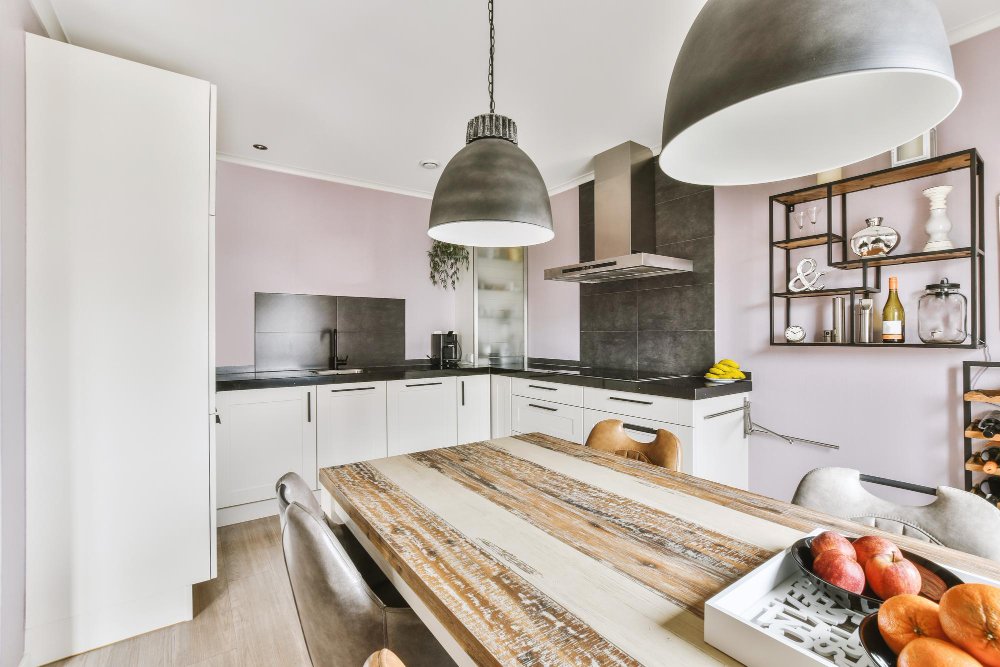
The kitchen of 2026 feels different. It is warmer, more personal, and noticeably less interested in proving how contemporary it is. Instead of pristine spaces defined by a single fashionable finish, today’s most compelling kitchens are layered with natural textures, expressive stone, beautifully crafted cabinetry, and details that reveal themselves slowly over time.
A thoughtful 2026 kitchen remodel is therefore less about following a checklist of trends and more about creating atmosphere. Imagine the subtle grain of white oak illuminated by morning light, a richly veined quartzite island becoming the natural gathering place of the room, and hardware with a softly aged finish adding just enough contrast to carefully tailored cabinetry. These are kitchens designed to be experienced rather than simply photographed.
Functionality has evolved alongside aesthetics. Appliances are becoming more integrated, storage more personalized, lighting more layered, and islands more purposeful. Every element is expected to contribute to daily life while maintaining a sense of visual calm.
The new definition of luxury is not excess. It is the pleasure of discovering that everything has been considered.
“The most luxurious kitchens never feel designed for a single moment—they feel collected for a lifetime.”
A New Era of Warm, Personal Kitchen Design
For years, contemporary kitchen design leaned toward visual purity: cool whites, polished surfaces, minimal ornamentation, and carefully controlled uniformity. The refined kitchen of 2026 is moving toward something more nuanced. Clean lines remain, but they are softened by tactile materials, warmer tones, subtle imperfections, and combinations that make the room feel unmistakably personal.
Wood cabinetry is central to this evolution. White oak, walnut, and other naturally expressive finishes introduce depth without making a kitchen feel traditional. Rather than covering every surface in the same wood tone, designers are increasingly using it selectively—perhaps on an island, a bank of tall cabinetry, or an architectural feature—then balancing it with painted cabinets in creamy whites, muted taupes, earthy greens, or other restrained neutrals.
The effect is layered rather than matched. A painted perimeter might frame a warm wood island, while stone with dramatic movement introduces another natural element. Metals appear in smaller doses through faucets, lighting, and hardware, adding definition without becoming the room’s dominant statement.
True sophistication comes from restraint—the quiet confidence of materials chosen because they belong, not simply because they happen to be fashionable.
Color is becoming more dimensional as well. Instead of relying on sharp contrast between pure white cabinetry and dark accents, sophisticated kitchens are embracing tonal relationships. Warm ivory may meet mushroom-colored cabinetry; pale oak may sit beside softly veined stone; brushed metal may echo subtle undertones already present in the countertops.
This approach makes the kitchen feel composed rather than decorated. More importantly, it gives homeowners greater freedom to create something specific to the architecture of their home rather than reproducing a recognizable trend.
Natural light remains one of the most valuable materials in the room. Larger windows, carefully considered sightlines, and thoughtful connections to adjacent living spaces allow daylight to reveal the texture of cabinetry and stone throughout the day. As evening arrives, layered artificial lighting takes over, preserving warmth rather than flattening the space beneath a single source of illumination.
The result is a kitchen that feels less like a showroom and more like a beautifully resolved interior—one capable of supporting ordinary mornings, elaborate dinners, quiet conversations, and everything in between.
Cabinetry, Stone, and Details That Define Luxury
If the kitchen establishes the emotional center of the home, cabinetry gives that space its architectural rhythm. In a refined 2026 kitchen remodel, cabinets are no longer treated merely as boxes designed to maximize storage. They are becoming furniture-like elements, shaped by proportion, material, craftsmanship, and the way they interact with the surrounding architecture.
Full-height cabinetry can create an elegant sense of permanence while concealing pantry storage, refrigeration, and small appliances behind a unified composition. Integrated appliance panels allow technology to recede visually, leaving the craftsmanship of the cabinetry and stone to define the room. Inside, specialized drawers, pull-outs, tray dividers, and carefully planned organizers turn that visual elegance into everyday efficiency.
Stone provides the counterpoint. Quartz remains appealing where consistency and straightforward maintenance are priorities, while quartzite and other natural stones bring movement that cannot be perfectly repeated. A particularly expressive slab can transform an island from a practical work surface into something almost sculptural.
Full-height stone backsplashes extend this effect vertically, eliminating unnecessary visual interruptions and allowing veining to become part of the architecture. Waterfall edges can create similar drama when used selectively, particularly on islands where the stone deserves to be viewed from several directions.
“Luxury is rarely one spectacular feature. It is the harmony created when every detail feels intentional.”
The difference between an expensive kitchen and an exceptional one is often found in the smallest transitions: the alignment of a cabinet door, the placement of a seam, the warmth of a metal finish, or the way stone meets wood.
Hardware completes the composition quietly. Instead of functioning as decorative jewelry added at the end, pulls and knobs are being considered earlier in the design process, with scale and finish chosen to complement cabinetry proportions. Brushed brass, aged bronze, polished nickel, and understated dark finishes can each introduce character when used with restraint.
Together, cabinetry, stone, and carefully selected details establish the visual language of the kitchen. When they are considered as one composition rather than a collection of individual upgrades, luxury begins to feel effortless—and that is precisely where the most enduring designs find their strength.
Designing the 2026 Kitchen Around Everyday Life
For all its visual refinement, the most successful kitchen must ultimately make daily life feel easier. This is where the 2026 kitchen remodel moves beyond beautiful materials and becomes something more meaningful: a space organized around the rhythms of the people who actually use it. Morning coffee, quick weekday meals, homework at the island, weekend entertaining, and elaborate holiday dinners all place different demands on the same room.
The kitchen island has become particularly important in this evolution. Rather than simply providing additional countertop space, it can serve as a preparation zone, casual dining table, social gathering point, and subtle boundary between cooking and living areas. Generous proportions can feel luxurious, but scale must remain appropriate to the room; an island should improve circulation rather than interrupt it.
Storage is becoming equally sophisticated. Appliance garages allow coffee makers, mixers, and other countertop essentials to disappear behind beautifully integrated doors when not in use. Deep drawers bring cookware into easy reach, while dedicated pantry systems transform groceries and everyday ingredients into an orderly composition rather than a collection of crowded shelves.
Even beverage preparation is becoming more intentional. A discreet coffee station for quiet mornings or a dedicated beverage area for entertaining can keep guests comfortably outside the primary cooking zone. These specialized spaces work best when they emerge naturally from household routines rather than being included simply because they appear luxurious.
The finest kitchen is not the one with the greatest number of features. It is the one in which every feature seems to be exactly where you expected to find it.
Technology follows the same philosophy. Hidden charging drawers, integrated outlets, discreet controls, and connected appliances provide modern convenience without turning the kitchen into a display of electronics. Technology is at its most elegant when it supports the room quietly and almost disappears from view.
Lighting completes the experience. Recessed illumination provides a balanced foundation, under-cabinet lighting brightens work surfaces, and pendants introduce intimacy above an island or dining area. Rather than depending on one dramatic fixture, layered lighting allows the atmosphere to shift throughout the day—from bright and energetic in the morning to warm and relaxed after sunset.
Above all, circulation remains essential. Clear pathways between refrigeration, preparation, cooking, cleanup, and seating zones allow several people to share the kitchen without constantly crossing one another’s paths. This invisible choreography may never appear on a mood board, yet it is one of the qualities homeowners appreciate most once the remodel is complete.
Creating a Kitchen That Outlives the Trends
The paradox of designing a kitchen for 2026 is that the best result should never feel trapped in 2026. Trends can provide inspiration, but an enduring kitchen needs a deeper foundation—one built from authentic materials, thoughtful proportions, quality craftsmanship, and decisions that reflect the homeowner rather than the calendar.
Timelessness does not require avoiding personality. In fact, the opposite is often true. A kitchen becomes memorable when carefully chosen details give it character: the subtle warmth of walnut cabinetry, the movement of natural stone, a distinctive pendant above the island, or hardware whose finish becomes richer with use.
Rooms age gracefully when their beauty comes from materials and craftsmanship rather than novelty.
This is also why quality construction matters so profoundly. Cabinet doors should remain aligned after years of use. Drawers should move smoothly beneath the weight of cookware. Countertop seams should be thoughtfully positioned, and lighting should illuminate work surfaces without glare or unnecessary shadows. These details may not dominate photographs, but they determine whether the kitchen continues to feel exceptional long after the renovation is finished.
Long-term flexibility deserves similar attention. Families change, entertaining habits evolve, and the way a kitchen is used today may look different a decade from now. Generous storage, comfortable circulation, adaptable lighting, durable surfaces, and intelligently placed work zones give the room the freedom to evolve without requiring another complete redesign.
Ultimately, a remarkable 2026 kitchen remodel should not read like a catalog of this year’s trends. It should capture what is best about contemporary design—warmth, personalization, intelligent storage, expressive materials, and effortless functionality—then translate those ideas into something enduring.
The kitchen that succeeds is the one that still feels beautiful after its newness has disappeared. Its stone has become familiar beneath your hands, its cabinetry has quietly supported thousands of meals, and its island has accumulated memories impossible to anticipate on installation day. That is the deeper promise of thoughtful remodeling: not simply a more fashionable kitchen, but a room capable of becoming an increasingly meaningful part of the home with every passing year.