
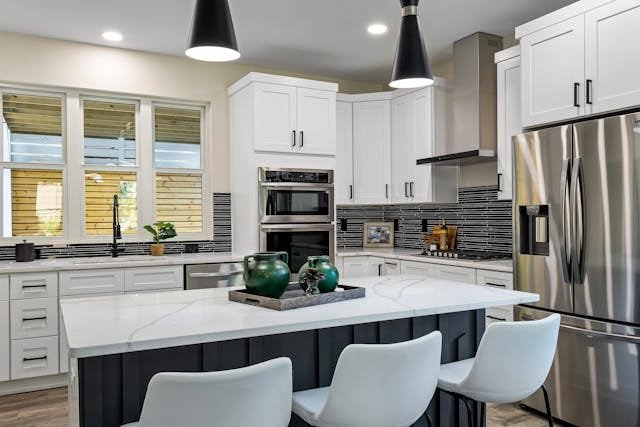
Every great home revolves around its kitchen—the gathering place where family, food, and conversation come together. As lifestyles evolve, so too does kitchen design. The modern kitchen is no longer just a place to cook; it’s a space that reflects personality, supports efficiency, and enhances everyday living. For homeowners reimagining their layouts, understanding the principles of contemporary kitchen design is the key to creating a room that feels as functional as it is beautiful.
Form Meets Function: The Foundation of Modern Design
At its core, modern kitchen design is about harmony between aesthetics and utility. Every element—from cabinet placement to countertop material—is chosen with purpose. Homeowners today value streamlined layouts, clean lines, and easy navigation. The classic “work triangle” between sink, stove, and refrigerator remains a foundation, but it’s often adapted for open-concept living, where flow and accessibility take center stage.
Efficiency Through Smart Layouts
Modern kitchens are planned around workflow. The best designs consider how people move between preparation, cooking, and cleanup zones. Whether it’s a galley layout, U-shape, or island-centered plan, every inch is used thoughtfully. Ample storage, accessible shelving, and deep drawers eliminate clutter and make daily tasks easier.
Balancing Aesthetics and Practicality
Today’s kitchens blur the line between culinary workspace and living area. Sleek finishes, durable surfaces, and subtle lighting design create a welcoming atmosphere that encourages gathering and creativity. Materials like quartz, butcher block, and stainless steel combine durability with elegance, allowing homeowners to express personal style without sacrificing practicality.
The Power of Lighting
Lighting is one of the most transformative aspects of kitchen design. Layered lighting—ambient, task, and accent—ensures visibility and mood control. Pendant fixtures above islands provide both style and illumination, while under-cabinet LEDs brighten prep areas. Dimmable options allow the kitchen to shift effortlessly from workspace to entertaining hub.
Storage Solutions That Simplify Life
Modern kitchen design prioritizes smart storage. Deep drawers for pots, pull-out spice racks, and hidden appliance garages keep surfaces clear and organized. Vertical storage systems and custom cabinetry maximize space while maintaining a minimalist aesthetic. In many homes, walk-in pantries or built-in shelving replace upper cabinets entirely, creating a sense of openness and accessibility.
Decluttering with Intention
Minimalism isn’t about removing personality—it’s about creating focus. By streamlining surfaces and reducing visual noise, the design allows materials and craftsmanship to shine. A clutter-free environment promotes calm and creativity, making the kitchen more enjoyable to use every day.
Color, Texture, and Tone
Color palettes have evolved beyond traditional whites and grays. Modern kitchens embrace natural hues—warm taupes, soft greens, and muted blues—that create depth and tranquility. Texture plays an equally important role: matte cabinetry, brushed metal hardware, and organic wood grains add warmth and tactility to contemporary spaces.
Material Harmony
Mixing materials adds visual interest. Pairing natural wood with stone or matte finishes with glossy accents creates dynamic contrast. The key is balance—no single element should dominate. Successful kitchen design creates visual rhythm, allowing the eye to move smoothly through the space.
Designing for Lifestyle and Technology
The modern kitchen embraces innovation. Smart appliances, voice-controlled lighting, and energy-efficient fixtures make cooking and cleaning easier than ever. Technology integration is seamless—outlets hidden in drawers, charging stations built into counters, and refrigerators with touchscreen displays bring function into harmony with form.
Adapting to Modern Living
Kitchens today serve multiple purposes. They’re workspaces, dining areas, and social centers. Flexible seating, open shelving, and multi-level islands accommodate everything from weekday breakfasts to holiday entertaining. Designers now think in zones rather than isolated functions, ensuring every area transitions naturally to the next.
Sustainability and Conscious Design
Eco-friendly design has become a cornerstone of modern remodeling. Recycled materials, energy-efficient lighting, and water-saving fixtures reduce environmental impact without compromising style. Using locally sourced woods or durable composite surfaces ensures longevity while minimizing waste. A sustainable kitchen not only benefits the planet—it enhances comfort and quality of life.
Natural Light and Airflow
Large windows, skylights, and open layouts invite sunlight and fresh air into the kitchen. These elements promote well-being and reduce energy usage. Blending indoor and outdoor elements connects the space to its surroundings, making cooking and gathering a refreshing experience.
Timeless Design for the Future
Trends may change, but great kitchen design endures. By focusing on proportion, balance, and craftsmanship, you create a space that remains stylish and relevant for years to come. Personal touches—unique hardware, art, or heirloom pieces—add individuality and warmth to even the most contemporary layouts.
The Kitchen as a Living Canvas
Every kitchen tells a story about the people who use it. Through thoughtful design, careful material selection, and purposeful layout, your kitchen becomes more than a workspace—it becomes a reflection of your values, tastes, and way of life. Whether you’re starting from scratch or refreshing existing elements, designing with intention ensures every detail works together to create the true heart of your home.